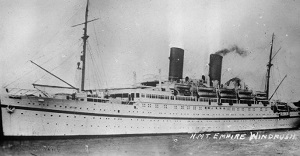
 This reflection comes from the Revd Dr Michael N Jaggesar, Secretary for Global and Intercultural Ministries, for the seventieth anniversary of the arrival of the Empire Windrush later this week.
Just very recently a very good colleague of mine shared with me a conversation her daughter’s friend had with a group of her White British colleagues. The White British colleagues wanted to know from their Black British friend why Black people have to see everything as related to race. Her daughter’s response when she heard this from her friend was: ‘that’s interesting’. My colleague went to say she wished her daughter could have said: ‘because for the White British context race matters in everything related to us Black people’! It does. We must remember this as we celebrate 70 years of joys, afflictions, anguish, despair, rising-up, contributing to wealth of putting ‘great’ back into Britain, and much more of this group of people. The struggle as Milan Kundera observed is one of ‘memory against forgetting’. And contrary to the wishful-thinking of some of us, we are not living in a post-racial Britain. The progeny of the Windrush generation and succeeding inheritors continue to battle with the status quo over the nature of reality as experienced by them. This is reflected in that small example of my friend’s daughter and the recent debacle around the treatment of some from the Caribbean.
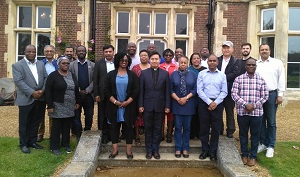 On the 29 and 30 of May, Global and Intercultural Ministries held their annual Special Gathering of Black, Asian and Minority Ethnic Ministers and Church Related Community Workers; Together Ethnic and Minority URC; and Cascades of Grace at the High Leigh Conference Centre in Hoddesdon. The theme for this year’s gathering was ‘partnering for justice.’ The conference participants included 20 BAME clergy and Laity from the URC and partner churches; including the Presbyterian Church of Ghana; the Evangelical Presbyterian Church, Ghana; and the Presbyterian Church of Korea. The gathering included time for discussion, worship, reflection, fellowship, as well as planning for how to work to be more inclusive of the entirety of the body of Christ in the coming year.

 “Christians should be taught that he who gives to the poor or lends to the needy does a better work than buying pardons” [Luther, Thesis 43]